 208 Manhattan St. Auburndale, FL 33823.
 Shopping Cart




After a cremation, choosing an urn can be both a personal and practical decision. With different sizes, materials and styles available, it may not be immediately clear which option is right for your family.
The choice often depends on a few simple things: how much capacity is needed, whether the ashes will be kept together or shared, and where the urn will eventually be placed.
Understanding these details before you buy can make the decision easier. This guide covers the main urn sizes and types, how materials differ, and the practical checks worth making before you choose.
What Size Cremation Urn Do You Need?
Urn size refers to the internal capacity available for cremated remains. In Australia, this is usually shown in litres.
Many full-size adult urns have a capacity of around 3 to 4 litres, although the amount of ashes returned after cremation can vary. For this reason, the capacity listed for the individual urn should always be checked before purchasing.
| Urn type | Approximate capacity | Common use |
|---|---|---|
| Full-size urn | Around 3-4+ L | Holding most or all of one adult’s ashes |
| Medium urn | Around 1.5-3 L | Holding a smaller quantity of ashes |
| Keepsake urn | Usually under 0.5 L | Keeping a small portion of ashes |
| Companion urn | Around 6-8+ L | Holding the ashes of two people |
These ranges are a general guide rather than fixed standards. Capacities can vary between urn designs and manufacturers.
If all the ashes will be kept together, look for an urn with enough capacity for the complete amount. If only a portion will be kept, a medium or keepsake urn may be more appropriate.
Remember that capacity and physical dimensions are different. An urn may have enough internal capacity but still be too large for a particular shelf, niche or memorial space.
Comparing Full-Size, Keepsake, Companion and Scattering Urns
Once you know how much capacity you need, consider how the ashes will be kept. Different urn types are intended for keeping all the ashes together, retaining a smaller portion, sharing between family members or scattering.
1. Full-Size Urns
A full-size urn is generally chosen when most or all of one adult’s ashes will be kept together.
It can serve as the family’s main urn, whether the ashes are being kept for the long term or while a permanent memorial decision is still being made.
Best suited for: keeping most or all of one person’s ashes together.
Full Sized Urns
-

Carved Tribal Box Urn – Large
$225.00 -
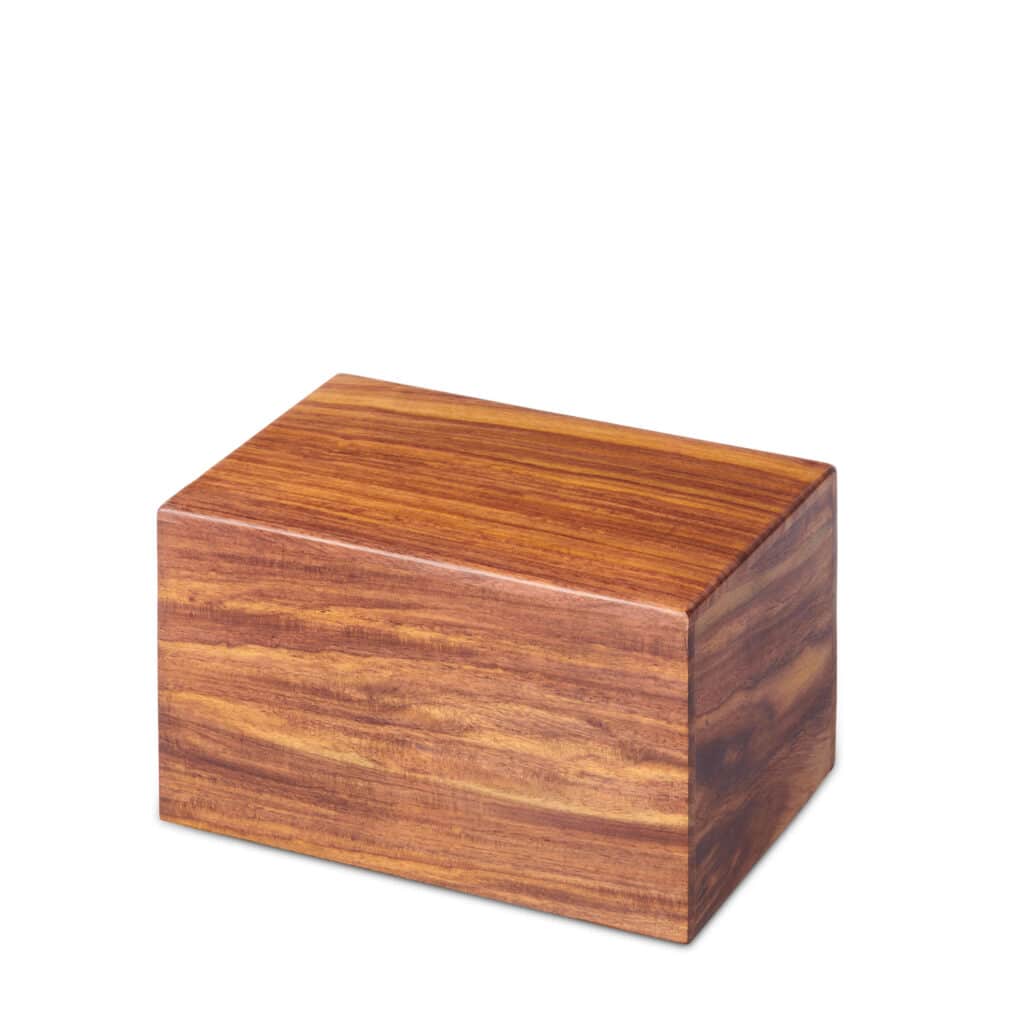
Indian Rosewood Box – Large
$110.00 -
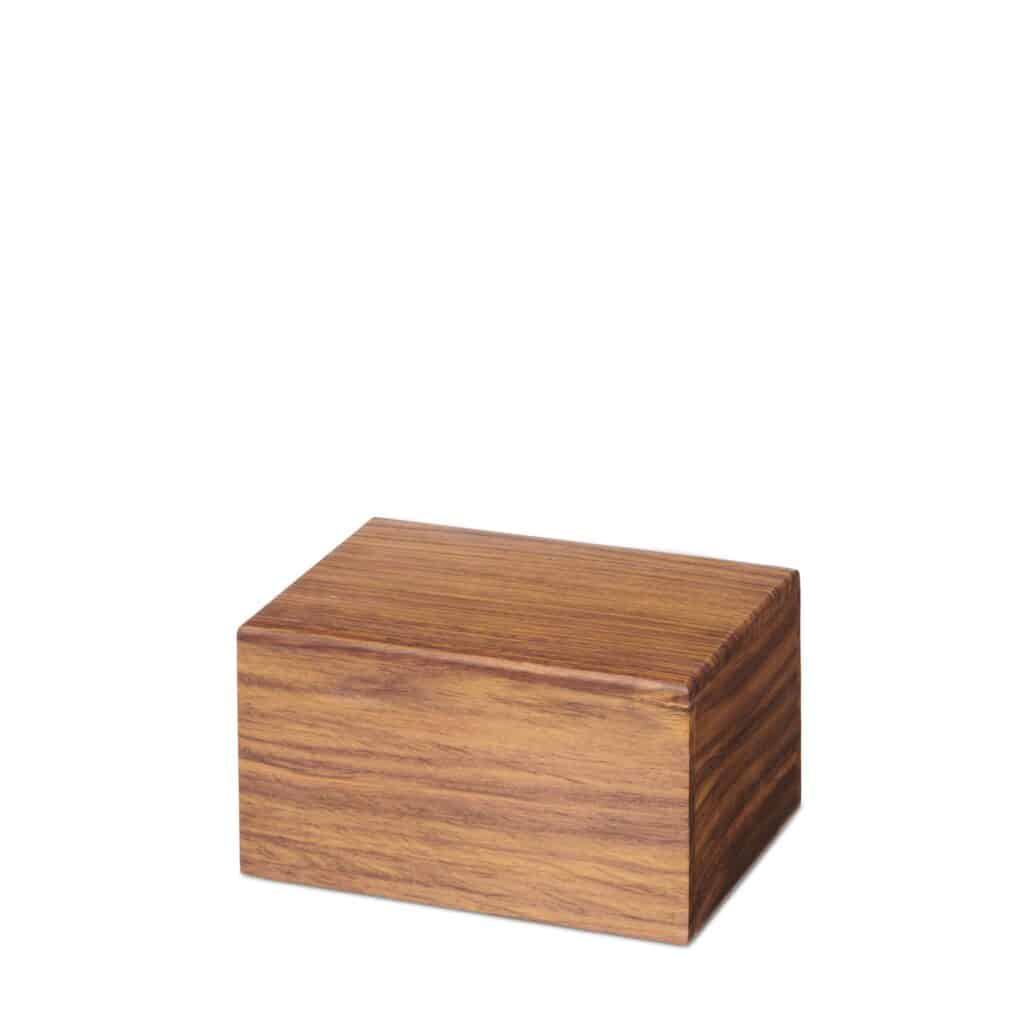
Indian Rosewood Box – Medium
$100.00 -
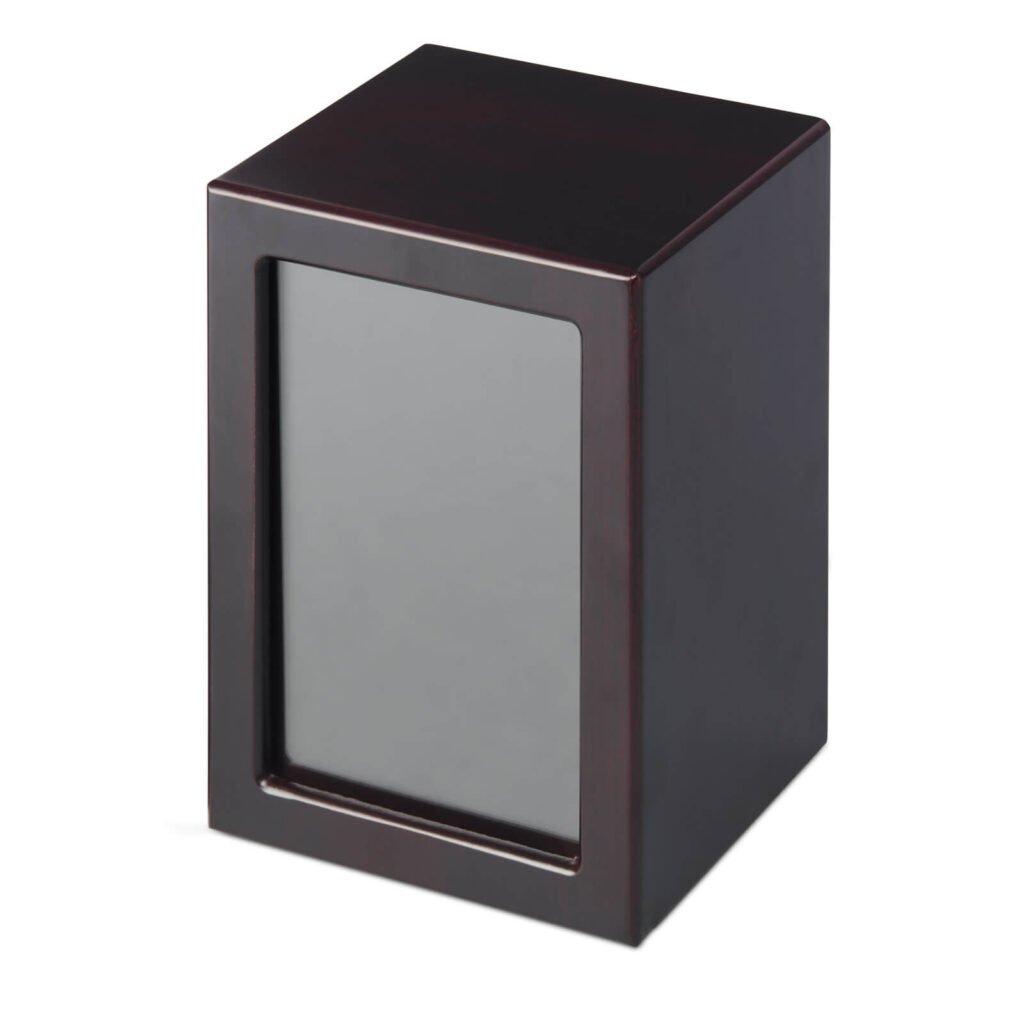
Mahogany Veneer Photo Urn – Extra Large
$120.00


2. Keepsake Urns
A keepsake urn holds a small portion of ashes rather than the complete amount.
Families may choose several keepsakes when close relatives would each like to retain a small amount. A keepsake can also be used alongside a main urn, allowing most of the ashes to remain together.
Best suited for: sharing small portions of ashes among family members or keeping a small personal memorial.
3. Companion Urns
A companion urn has a larger capacity and is intended to hold the ashes of two people. It may be chosen by couples or families planning a shared memorial.
Some companion urns have one internal space, while others provide separate compartments. If keeping each person’s ashes separate is important, check the internal design before choosing.
Best suited for: two people whose ashes are intended to be kept within the same memorial urn.
4. Scattering Urns
A scattering urn is intended to hold ashes temporarily before they are scattered. These urns are generally designed to be easier to carry and control when releasing the ashes.
Best suited for: families who already plan to scatter some or all of the ashes.
You May Need More Than One Urn
One urn does not have to meet every need. For example, a family may keep most of the ashes in a full-size urn while placing smaller portions in keepsake urns for relatives.
If some ashes will be kept and others scattered, separate containers may also make the arrangement simpler. Thinking about this before purchasing can help you choose the right number and type of urns.
Which Cremation Urn Material Should You Choose?
Urn material can affect its appearance, durability, weight and care requirements. Some families prefer a traditional timber finish, while others choose metal, decorative designs or biodegradable materials.
| Material | What to expect | Things to consider |
|---|---|---|
| Metal or alloy | Strong and durable, with matte, polished and decorative finishes available | Can be heavier than some other options |
| Timber | Warm, natural appearance with variations in grain and colour | Grain and finish can differ between individual urns |
| Ceramic | Decorative, with a wide range of shapes, colours and finishes | Requires careful handling because it can chip or break |
| Enamelled metal | Combines a durable metal body with a decorative surface | The finish may scratch or chip if handled roughly |
| Biodegradable | Made from materials intended to break down naturally | Intended for particular uses rather than permanent display |
What Should You Consider When Comparing Materials?
Durability may be important if the urn will be handled or moved over time. Metal and alloy urns are generally robust, while ceramic requires more careful handling.
Appearance is often a more personal consideration. Timber provides a natural finish, while metal and enamelled designs can range from understated to highly decorative.
For biodegradable urns, check the product information carefully. Materials and intended uses can vary, so an urn described as biodegradable should be chosen according to how it is designed to be used.
The material does not need to be chosen on appearance alone. Consider durability, care and intended use alongside a design that feels appropriate for your family.
Where Will the Urn Be Kept?
Where the urn will eventually be placed can affect the size, shape and design you choose. It is worth considering the intended location before purchasing, particularly if the urn needs to fit within a specific memorial space.
At Home
For an urn displayed at home, appearance may be an important consideration. You may prefer a design that suits the room or reflects something meaningful about your loved one.
Also consider where the urn will sit and whether it is likely to be moved. A secure closure and stable shape can be useful if the urn may need to be handled or transported later.
In a Cemetery Niche or Memorial
If the urn will be placed in a cemetery niche or cremation memorial, check the internal dimensions before buying.
Capacity and external dimensions are different. Two urns may hold a similar amount of ashes but have very different heights, widths and shapes. One may fit the chosen niche while another does not.
Sydney cemeteries such as Rookwood offer different cremation memorial options. Check the requirements and dimensions of the specific memorial location rather than assuming a standard urn will fit.
For Burial
If the urn will be buried, check whether the cemetery has requirements for the type of container that can be used.
If you prefer a biodegradable urn, make sure the product is specifically intended for burial. Materials and how they break down can vary between products.
For Scattering
If all the ashes will be scattered, you may prefer a purpose-made scattering urn rather than a permanent display urn. These are generally designed to make carrying and releasing the ashes easier.
If only some ashes will be scattered, consider how the remaining portion will be kept before choosing your containers.
What If You Have Not Decided Yet?
You do not necessarily need to make a permanent decision straight away. Some families keep the ashes in an urn while deciding on a longer-term memorial, burial or scattering arrangement.
If your plans may change, consider an urn that can be stored securely and transported if needed later.
Related Read: What To Do with Ashes After Cremation in Australia
5 Common Mistakes to Avoid When Choosing a Cremation Urn
Even when you have found an urn you like, a few practical details are worth checking before you make your final choice.
- Not Checking the Capacity: An urn can look large enough without having the capacity you need. Check the listed capacity, particularly if all of your loved one’s ashes will be kept in one urn.
- Buying Before Checking a Cemetery Niche: If the urn will go into a niche or memorial, confirm the available dimensions first. This can prevent choosing an urn that is too tall, wide or deep for the space.
- Choosing on Appearance Alone: Style is important, but also consider how the urn will be used. Check its material, dimensions, weight and closure so the design you prefer is also practical for your plans.
- Forgetting About Keepsakes: Before placing all the ashes in one urn, consider whether family members may want to keep a small portion. If so, choosing keepsake urns at the same time can make the arrangement simpler.
- Not Checking How the Urn Closes: Urns can have threaded lids, screws, removable bases or other closure systems. Check how your chosen urn is secured, especially if it may need to be moved or opened later.
Choosing an Urn That Suits Your Family
Choosing a cremation urn becomes easier once you know how the ashes will be kept and how much capacity you need. From there, you can consider the material, appearance and practical details that matter to your family.
Take time to check the urn’s capacity and dimensions, particularly if it will be placed in a cemetery niche or memorial. If the ashes will be shared, consider whether keepsake urns are needed before making your final choice.
Majestic Funerals offers a range of cremation urns in different sizes, materials and styles, including options for keeping a smaller portion of ashes.
Frequently Asked Questions About Cremation Urns
1. What Size Urn Do I Need for an Adult?
Many full-size adult urns have a capacity of around 3 to 4 litres, although the amount of ashes can vary. Check the capacity of the individual urn before purchasing.
2. Can Cremation Ashes Be Split Between Different Urns?
Yes. Ashes can be divided between several urns if the family wishes. For example, most may remain in a main urn while smaller portions are placed in keepsake urns.
3. Do Cremation Urns Come Sealed?
Not necessarily. Urns may use threaded lids, screws, removable bases or other closure systems. Some can be permanently sealed if required, but this depends on the urn and how it will be used.
4. Can You Take a Cremation Urn on a Plane?
Many airlines allow cremated remains to be transported, but their requirements can differ. You may need appropriate documentation, and the urn may need to meet particular security or packaging requirements. Check with the operating airline before travelling, especially for an international journey.
5. What Is a Keepsake Urn?
A keepsake urn is a small urn that holds a portion of cremated remains rather than the full amount. It may be chosen when family members would each like to keep a small amount of the ashes.
6. Where Can I Buy a Cremation Urn in Sydney?
Majestic Funerals offers a range of cremation urns to view online, including full-size, medium, small and keepsake options. Compare the capacity, dimensions, material and closure when deciding which urn suits your needs.